Whooping cough, also called pertussis, is a contagious bacterial infection that affects the airways. It often starts with cold-like symptoms before developing into repeated coughing fits. People of any age can be infected, but young babies face the greatest risk of serious illness.
This article explains the symptoms, how whooping cough spreads, current Australian vaccination recommendations, possible side effects, and when to see a GP.
Key Takeaways
- Whooping cough can cause persistent coughing fits, but the whooping sound may be absent, particularly in babies and adults.
- Vaccination is recommended for children, pregnant women and certain adults, although protection decreases over time.
- Suspected infection warrants GP advice, and serious breathing difficulties need emergency help.
What Is Whooping Cough?
Whooping cough is also called pertussis and is caused by the bacterium Bordetella pertussis. It affects the airways and spreads from person to person. Babies, children, teenagers and adults can all be affected, including people who were vaccinated in the past.
What Are the Symptoms of Whooping Cough?
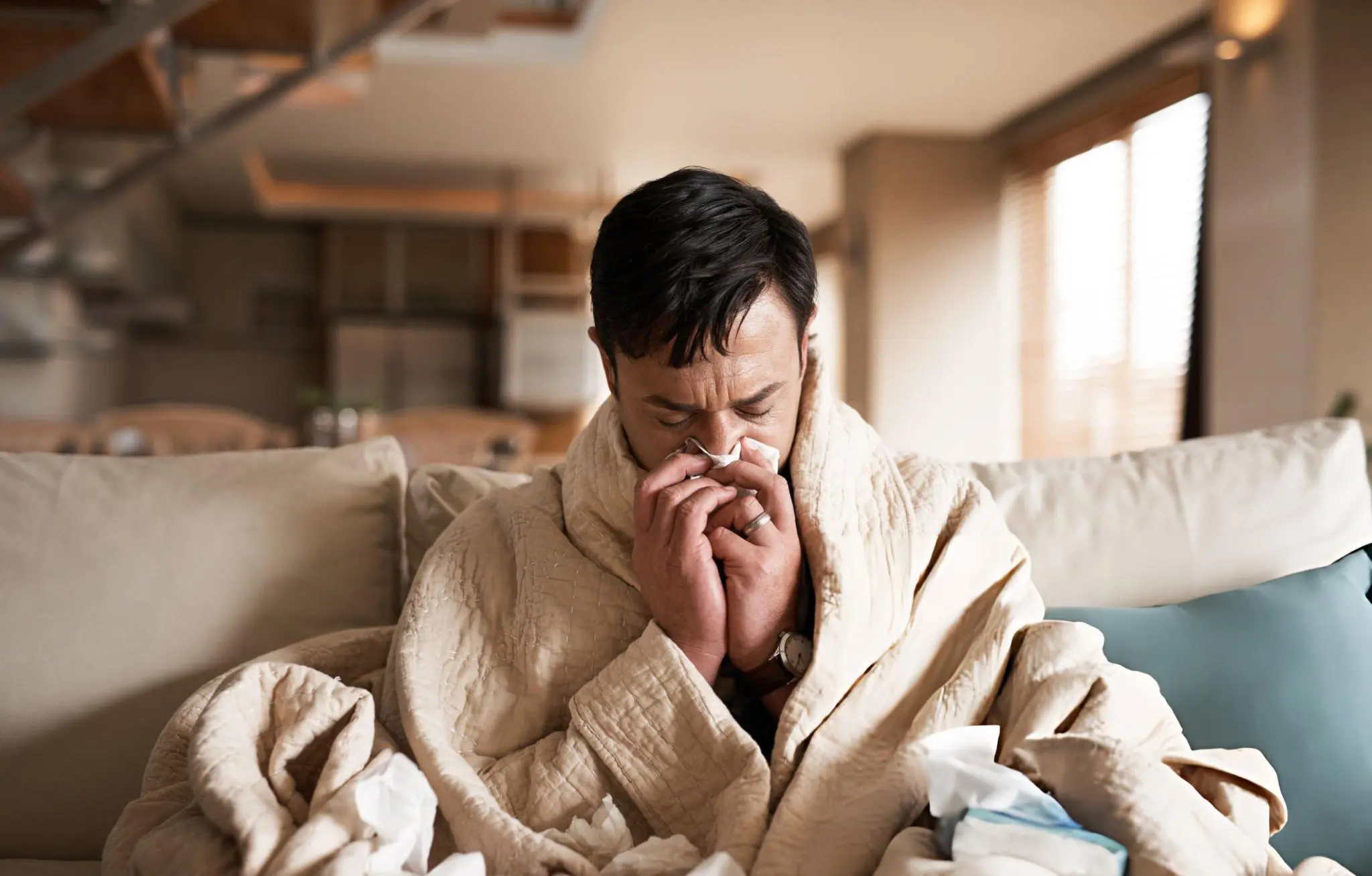
Whooping cough usually starts like a cold and can later cause intense coughing fits. Symptoms often begin around 7 to 10 days after exposure, though this varies.
Early symptoms include a runny nose, sneezing, a mild cough and sometimes a low fever.
Later symptoms can include repeated coughing fits, coughing that is worse at night, vomiting after coughing, and a gasping breath or whooping sound as the person tries to catch their breath. Not everyone makes this sound, and the cough can continue for several weeks.
How Does Whooping Cough Affect Babies?
Babies may not have a noticeable cough and often do not make the typical whooping sound. Instead, they may have difficulty feeding, choking or gagging, or pauses in breathing.
A baby with breathing pauses, serious breathing difficulty or blue colouration needs emergency help. Call Triple Zero (000).
Parents concerned about a child’s ongoing symptoms can discuss appropriate assessment through Branxton Healthcare’s children’s healthcare services.
How Does Whooping Cough Spread, and How Long Is It Contagious?
Whooping cough spreads mainly through droplets released when an infected person coughs or sneezes, including among household members, schools and childcare settings. A person can be infectious from the early cold-like stage.
With appropriate antibiotics, people are generally no longer infectious after completing five days of treatment. Without treatment, infectiousness can continue for around 21 days after the cough starts. The cough itself can last longer than the infectious period.
For more detail, see NSW Health’s whooping cough guidance.
Who Should Get the Whooping Cough Vaccine in Australia?
Australian pertussis vaccines are given in combination with protection against other diseases, including diphtheria and tetanus. The adult formulation is known as dTpa.
| Group | Current recommendation |
| Babies and children | At 2, 4, 6 and 18 months, and 4 years. The first dose can be given from 6 weeks of age. |
| Adolescents | A booster at 11 to 13 years, often given through school immunisation |
| Pregnant women | One dose in every pregnancy, preferably between 20 and 32 weeks |
| Adults | Boosters are recommended at around age 50 and for adults aged 65 or over if their last pertussis dose was more than 10 years ago. Some workers and close contacts of infants need 10-yearly boosters. |
Vaccination during pregnancy helps transfer protective antibodies to the baby before birth. If the recommended 20–32-week window is missed, vaccination may still be given later in pregnancy following clinical advice.
How Long Does the Whooping Cough Vaccine Last?
Protection against whooping cough decreases over time rather than lasting a fixed number of years. Whether another dose is needed depends on factors such as pregnancy, age, occupation and contact with young babies. A GP can review your vaccination history against the current recommendations.
What Are the Side Effects of the Whooping Cough Vaccine?
Common side effects can include pain, redness or swelling at the injection site, mild fever or tiredness, and temporary irritability in babies. Most reactions are mild and settle on their own.
Serious allergic reactions are rare but need urgent medical attention. A vaccination provider can discuss your suitability, any previous reactions and your individual circumstances.
How Is Whooping Cough Diagnosed and Treated?
A GP may review your symptoms, how long you have been coughing and any known exposure. They may arrange a PCR test using a swab from the back of the nose. Throat swabs are sometimes used but are less sensitive.
Antibiotics may be prescribed to reduce the risk of spreading the infection and can lessen severity when started early, although the cough itself can continue for weeks afterwards. Management depends on age, timing and severity, and young babies with suspected or confirmed whooping cough may need hospital assessment.
How Can You Prevent Whooping Cough from Spreading?
Vaccination in line with current Australian recommendations is the main way to reduce the risk of whooping cough. Other helpful steps include:
- Covering coughs and sneezes and washing hands regularly
- Staying home while infectious
- Avoiding close contact with young babies or pregnant women while unwell
Children diagnosed with whooping cough should generally stay home until they have completed five days of appropriate antibiotics, or for 21 days after their cough began if untreated. Close contacts of vulnerable infants may need GP advice about preventive antibiotics, depending on their exposure.
When Should You See a GP for Whooping Cough?
Contact a GP for a persistent cough, coughing fits, possible exposure to whooping cough with symptoms, or concerns about a baby or other vulnerable household member. A GP assessment can help confirm whether testing, antibiotics or other care is appropriate.
If you suspect whooping cough, phone the practice before attending in person so staff can advise on the right arrangements and help limit the risk of spreading infection.
Severe breathing difficulty, breathing pauses or blue colouration require emergency assistance. Call Triple Zero (000).
Whooping Cough Care and Vaccination Advice in Branxton
Families in Branxton can discuss symptoms and vaccination schedules with a GP, and whooping cough is included among the vaccines offered through the clinic’s vaccination services.
If you are unsure whether you or your child is due for a whooping cough vaccination, you can book a GP appointment at Branxton Healthcare to review your vaccination history and current recommendations.
FAQs
How long does whooping cough usually last?
The cough can continue for several weeks, sometimes longer, even after a person is no longer infectious.
Can you still get whooping cough if you are vaccinated?
Yes. Vaccination reduces the risk, and often the severity of illness, but protection decreases over time.
Should you get tested after exposure to whooping cough?
People without symptoms generally do not need routine testing, but close contacts of vulnerable infants may need prompt advice from a GP.
Is the whooping cough vaccine free in Australia?
Vaccination funded through the National Immunisation Program is available to eligible groups, including pregnant women and children. Consultation fees and eligibility rules may still apply.
References and Resources
NSW Health (n.d.) Whooping cough (pertussis), NSW Health website, accessed 9 November 2026.
Australian Government Department of Health (2026) Pertussis (whooping cough), Australian Immunisation Handbook, accessed 9 November 2026.
Australian Government Department of Health (n.d.) Whooping cough (pertussis) immunisation service, Department of Health website, accessed 9 November 2026.
Royal Children’s Hospital Melbourne (n.d.) Whooping cough, RCH website, accessed 9 November 2026.
NSW Health (n.d.) Whooping cough: information for schools and childcare, NSW Health website, accessed 9 November 2026.