Hearing your child cough repeatedly at night or wheeze during a cold can be unsettling. Many parents wonder whether recurring respiratory symptoms could be asthma, and what that would mean for their child’s daily life.
This article explains what childhood asthma involves, what may trigger symptoms, how it is generally managed, and when to seek GP or urgent medical care.
Key Takeaways
- Common childhood asthma symptoms can include recurring cough, wheezing, breathlessness, chest tightness and reduced ability to play or exercise.
- Triggers vary between children and may include respiratory infections, smoke, pollen, dust mites, exercise and cold air.
- Treatment may include prescribed reliever or preventer medicines, correct inhaler technique and a written Asthma Action Plan based on each child’s individual needs.
What Is Childhood Asthma?
Asthma is a lung condition that affects the airways. When the airways become inflamed and narrowed, breathing can feel difficult. Symptoms can vary from mild and occasional to more frequent or noticeable.
Asthma is one of the most common chronic conditions in Australian children. It does not affect every child the same way, and many children manage it well with the right support.
What Are the Symptoms of Childhood Asthma?
Common childhood asthma symptoms include recurring coughing, wheezing, shortness of breath and chest tightness. Symptoms may be worse at night, during exercise or when a child has a cold. These symptoms can have other causes, so a GP assessment is important.
Symptoms worth discussing with a GP may include:
- A dry or persistent cough, particularly at night or early morning
- Wheezing, which is a whistling or squeaky sound when breathing
- Shortness of breath or rapid breathing during normal activity
- Chest tightness or a feeling of heaviness
- Reduced ability to keep up during play or sport
- Coughing during or after exercise
- Symptoms that keep coming back after colds or respiratory infections
These symptoms do not confirm asthma. Other childhood conditions can cause similar signs, and younger children can be more difficult to assess. A GP review helps build a clearer picture.
What Can Trigger Asthma in Children?
Triggers are things that can irritate the airways and bring on symptoms. They vary between children, and not all children respond to the same triggers.
Common triggers may include:
- Colds, flu and other respiratory infections
- Cigarette smoke and vaping
- Pollen from grasses and trees
- Dust mites in bedding, carpets and soft furnishings
- Mould and damp environments
- Pet dander from cats, dogs or other animals
- Cold or dry air
- Air pollution or strong fragrances
- Exercise, particularly in cold weather
Understanding a child’s specific triggers can take time. A GP or specialist can help identify patterns and advise on what may be worth reducing where possible.
How Is Childhood Asthma Diagnosed?
There is no single test that confirms asthma in every child. A GP will usually ask about the history of symptoms, when they occur, possible triggers, and how they affect daily life.
In children aged six and over, a breathing test called spirometry may be considered to assess how air moves in and out of the lungs. In younger children, diagnosis may be based more on symptom patterns, medical history and examination findings. A GP may also review whether the child has responded to any previous asthma treatment.
How Is Childhood Asthma Treated?
Treatment depends on the child’s age, symptoms, medical history and clinical assessment. A GP will advise on the most appropriate plan.
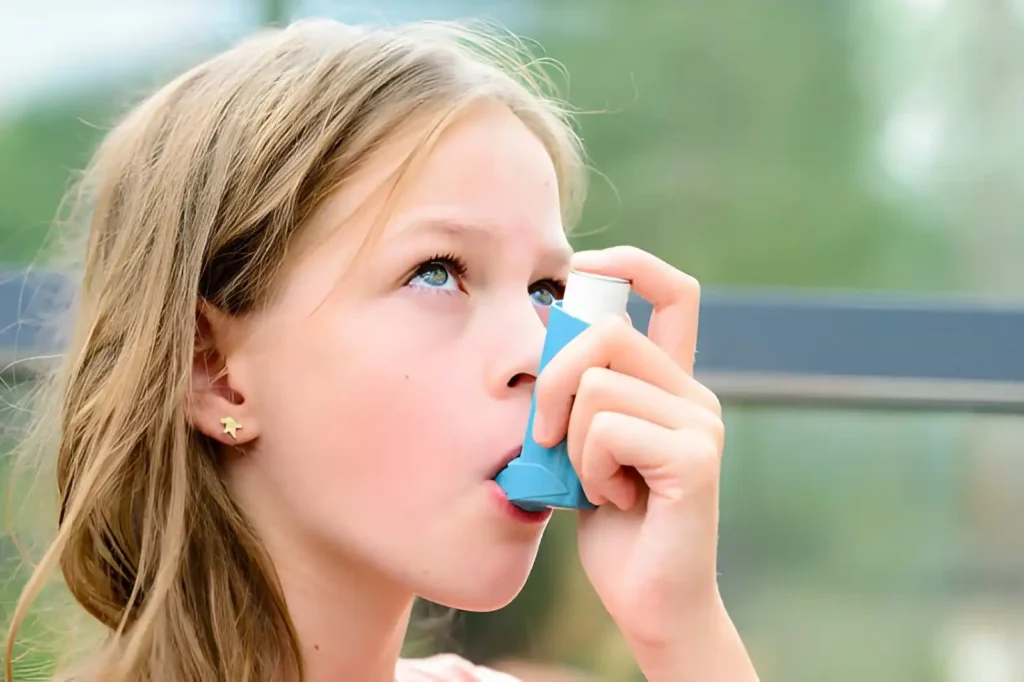
Reliever medicine is used when symptoms occur. It works by relaxing the airway muscles to make breathing easier. A reliever is typically used with a spacer device to help the medicine reach the lungs properly.
Preventer medicine is usually taken regularly to reduce airway inflammation and help prevent symptoms from occurring. Not all children with asthma need a preventer. A GP will advise based on symptom frequency and severity.
A spacer is a chamber device used with certain puffers to help the medicine reach the lungs. Children prescribed a puffer are generally advised to use it with a spacer, while younger children may also need a face mask. Correct inhaler technique is important to help the prescribed medicine reach the lungs effectively.
Trigger management plays an important role in reducing flare-ups. Reducing exposure to known triggers, such as smoke or dust mites, where this is practical and appropriate, may help.
Treatment needs may change over time. Regular GP reviews allow treatment to be adjusted as your child grows.
Why an Asthma Action Plan and Inhaler Technique Matter
An Asthma Action Plan is a written document that sets out what medicines your child takes, what to do when symptoms worsen, and when to seek urgent help. It is prepared with a GP and should be updated when treatment changes or symptoms shift.
The plan is particularly useful at school, childcare, and during sports. Teachers, coaches, and carers benefit from having access to the plan and knowing what to do if symptoms occur. Parents can view the Asthma Action Plan resources provided by Asthma Australia.
Checking inhaler technique regularly is also important. Many children and parents are shown the technique once but benefit from a review over time to make sure the medicine is being used correctly.
When Should Parents Book a GP Appointment?
A GP review is appropriate when respiratory symptoms keep coming back or when you are unsure whether your child’s current management is working well.
Consider booking an appointment if your child:
- Has recurring cough, wheeze or breathlessness over several weeks
- Wakes at night with breathing symptoms
- Struggles to keep up with peers during play or sport
- Has needed reliever medicine repeatedly
- Has recently been diagnosed and needs an action plan or treatment review
- Is using a reliever, but symptoms are not settling as expected
- Has had a recent respiratory infection that triggered breathing concerns
A GP can review the symptom pattern, examine your child, discuss possible triggers, assess inhaler technique, and advise whether the current treatment plan is appropriate.
If your child has recurring coughing, wheezing, night symptoms or difficulty keeping up during play, a GP can review the pattern and advise whether further assessment is appropriate. You can find out more about children’s health services at Branxton Healthcare.
When Is Childhood Asthma an Emergency?
Call 000 immediately if your child:
- Is struggling to breathe or breathing very fast
- Cannot speak, cry or complete a full sentence
- Has blue or grey lips or skin, becomes unusually pale, or shows other signs of severe breathing difficulty
- Becomes unusually drowsy, confused or unresponsive
- Is getting worse quickly despite using the reliever medicine
- Is not improving as expected according to their Asthma Action Plan
Do not wait to see whether symptoms improve on their own in these situations. Emergency care should be sought straight away.
Childhood Asthma Support in Branxton
Managing childhood asthma well involves regular reviews, a clear action plan, and knowing when to seek support. Local families do not need to manage this alone.
Branxton Healthcare supports families with childhood health concerns, including recurring respiratory symptoms and ongoing health reviews. You can book a GP appointment to discuss your child’s symptoms and individual care needs.
FAQs
How do I know if my child’s cough could be asthma?
A recurring cough, especially at night, during exercise or alongside wheezing and breathlessness, may need GP assessment. A cough alone does not confirm asthma, as other conditions can cause similar symptoms.
Can a child have asthma without wheezing?
Yes. Some children with asthma mainly experience coughing, breathlessness or reduced exercise tolerance without noticeable wheezing. A GP should assess recurring symptoms regardless of whether wheezing is present.
What are the most common asthma triggers in children?
Common triggers include respiratory infections, cigarette smoke, pollen, dust mites, mould, cold air, air pollution and exercise. Triggers differ between children, and identifying individual patterns can help with management.
When should I call 000 for my child’s asthma?
Call 000 for severe breathing difficulty, blue or pale lips, inability to speak normally, unusual drowsiness or confusion, rapid worsening, or symptoms that are not improving according to the child’s Asthma Action Plan.
References
Healthdirect Australia (2024) Asthma in children under 6, Healthdirect website, accessed 22 June 2026.
Healthdirect Australia (2024) Asthma in children aged 6 to 11, Healthdirect website, accessed 22 June 2026.
Royal Children’s Hospital Melbourne (2025) Asthma, Royal Children’s Hospital Melbourne website, accessed 22 June 2026.
Asthma Australia (2025) Asthma Action Plan, Asthma Australia website, accessed 22 June 2026.