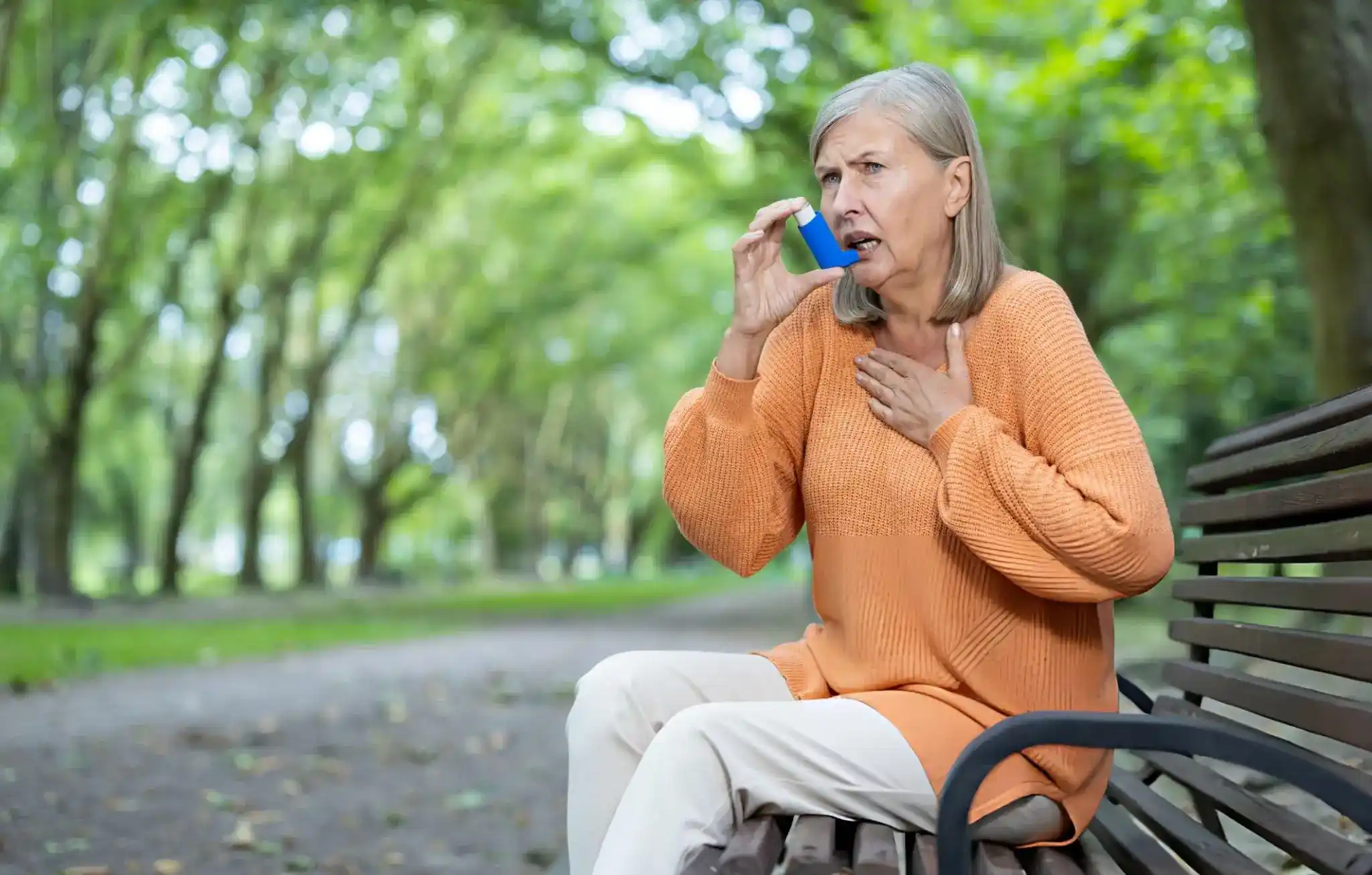

Autumn in Australia brings cooler mornings, shorter days, and a shift in daily routines. It also brings an increase in respiratory viruses, asthma flare-ups, and seasonal fatigue.
For many families and adults, this transition can affect health in ways that are manageable with a little preparation. Small, practical steps taken early in the season can help support your well-being before winter arrives.
Why Autumn Health Matters in Australia
As temperatures drop, people tend to spend more time indoors and in closer contact with others. This creates conditions where respiratory viruses spread more easily. Colds, flu, and other seasonal illnesses become more common, and existing health conditions can become harder to manage.
Autumn is also a practical time to prepare before the peak of winter. Reviewing medications, discussing flu vaccination, and keeping up with healthy routines can help support wellbeing during the cooler months over the coming months.
Protect Yourself Before Flu Season Peaks
Influenza cases in Australia usually increase during autumn and peak in winter, making autumn a practical time to discuss flu vaccination with your GP. Free flu vaccines are available under the National Immunisation Program for eligible groups, including:
- Children aged 6 months to under 5 years
- Adults aged 65 years and over
- Pregnant women
- Aboriginal and Torres Strait Islander people
- People with certain chronic health conditions
A GP can advise whether vaccination is appropriate for your individual circumstances.
If you are unsure whether a flu vaccine is appropriate for you or your family this autumn, Branxton Healthcare offers GP consultations to discuss seasonal health needs and preventive care.
Watch for Colds, Flu, and Respiratory Symptoms
Colds and flu can cause similar symptoms, including cough, sore throat, and fatigue, but flu often comes on more suddenly and may include fever, chills, and body aches. Speaking with a GP may be appropriate if you notice:
- Symptoms worsening instead of improving
- High or persistent fever
- Difficulty breathing or chest tightness
- Symptoms affecting someone in a higher-risk group, such as older adults, pregnant women, or people with chronic health conditions
Most colds resolve without medical treatment. Flu can be more serious for some people, and early advice from a GP can help guide appropriate care.
Manage Asthma and Existing Health Conditions Early
Cooler weather and seasonal illnesses can affect conditions such as asthma, COPD, diabetes, and heart disease. If symptoms change during autumn, reviewing medications, inhalers, or care plans with a GP early can help support ongoing management through the cooler months.
Patients with asthma, diabetes, heart disease, or other ongoing conditions may benefit from a seasonal GP review to ensure medications and care plans remain up to date during the cooler months.
Keep Healthy Routines When the Weather Changes
Cooler weather can disrupt routines that support good health. Staying consistent with basic habits during autumn helps your body manage seasonal changes more effectively.
Practical steps that support general well-being include:
- Stay physically active even as daylight shortens; indoor movement counts
- Drink enough water, as thirst signals can reduce in cooler weather
- Eat balanced meals with vegetables, protein, and wholegrains
- Aim for consistent sleep, as fatigue can lower your body’s ability to manage illness
- Wash your hands regularly and avoid close contact with others when you are unwell
These habits are straightforward but genuinely useful for managing seasonal health.
Look After Skin, Joints, and General Wellbeing
Autumn affects more than respiratory health. Cooler, drier air can affect the skin, joints, and general energy levels in ways that are easy to overlook.
- Use a moisturiser regularly if your skin becomes dry or irritated as temperatures drop
- Keep gentle movement in your daily routine to reduce stiffness, particularly if you have joint concerns
- Speak with a GP if low mood, persistent fatigue, or ongoing pain is affecting your daily life
Reduced daylight during autumn can affect energy and mood for some people. If you notice a significant or lasting change in how you feel, a GP can help assess what is happening and whether any support is needed.
When Should You See a GP in Autumn?
Knowing when to seek medical advice during the season helps you act at the right time rather than waiting too long.
Consider booking a GP appointment if you experience:
- Respiratory symptoms that last longer than expected or worsen after initial improvement
- Difficulty breathing or worsening asthma symptoms
- Fever in a young child or older adult
- Ongoing fatigue that does not improve with rest
- A flare-up of a chronic condition such as diabetes, asthma, or heart disease
- Questions about flu vaccination or whether your current medications need reviewing
If symptoms are lingering, worsening, or affecting daily activities, Branxton Healthcare provides local GP care for seasonal illnesses, chronic condition reviews, and general health concerns.
Autumn Health Checklist for Families and Adults
A simple checklist helps ensure you cover the key health steps before winter arrives:
- Discuss flu vaccination with your GP if you or a family member may be eligible
- Review regular medications and ensure scripts are up to date
- Check asthma action plans or chronic disease management plans if applicable
- Keep children home from school when they are unwell to reduce the spread
- Prepare for cooler mornings with appropriate clothing and indoor warmth
- Save your clinic’s contact details and after-hours information before you need them
This checklist applies to most Australian households and takes very little time to work through.
Prepare Early for a Healthier Autumn
Autumn is a good time to take practical steps before the demands of winter. Small habits, timely vaccinations, and medication reviews can support your health through the cooler months. For patients with existing conditions, an early GP review can help ensure care plans are current and medications are working as intended.
At Branxton Healthcare, patients can access local GP care, preventive health support, and ongoing medical care throughout the changing seasons.
FAQs:
What health problems are common in autumn in Australia?
Colds, flu, asthma flare-ups, joint stiffness, dry skin, and seasonal fatigue are among the most common health concerns during autumn. People with existing health conditions may also notice changes in symptom control as temperatures drop.
When should I get a flu vaccine in Australia?
ATAGI recommends getting vaccinated from April onward, before the peak flu season, which typically runs from June to September. Getting vaccinated in autumn helps prepare for when flu activity typically increases during winter.
Can autumn weather make asthma worse?
Yes, for some people. Cooler air, increased respiratory viruses, and changes in air quality during autumn can trigger asthma symptoms. People with asthma should review their action plan and speak with a GP if symptoms change or worsen.
When should I see a GP for cold or flu symptoms?
See a GP if symptoms worsen after a few days, if breathing becomes difficult, if fever is high or persistent, or if you are in a higher-risk group, such as being pregnant, elderly, or having a chronic health condition.
How can families stay healthier during autumn?
Practical steps include discussing flu vaccination for eligible family members, maintaining hand hygiene, keeping children home when unwell, staying active, eating well, and ensuring existing health conditions are reviewed before winter.